
Sea Pact Inaugural 5-Year Strategic Plan
(2025-2030)
Sea Pact’s member companies have long been committed to advancing sustainability in the seafood industry.
Informed by years of collective experience and industry engagement on sustainability challenges, this strategic plan emerged from extensive working sessions and individual interviews with leaders of Sea Pact member companies and sustainability advisors.
The members focused on opportunities where they have aligned sourcing and collective leverage to build a more responsible and transparent seafood supply chain, creating a new operating model that returns Sea Pact to its founding purpose.
The plan provides a roadmap to drive industry-wide improvements and achieve measurable impact over the next five years in three key areas through a phased, collaborative approach.
Our 3 Strategic Priorities
Wild Sector Sustainability

Social Responsibility
North American Aquaculture
-
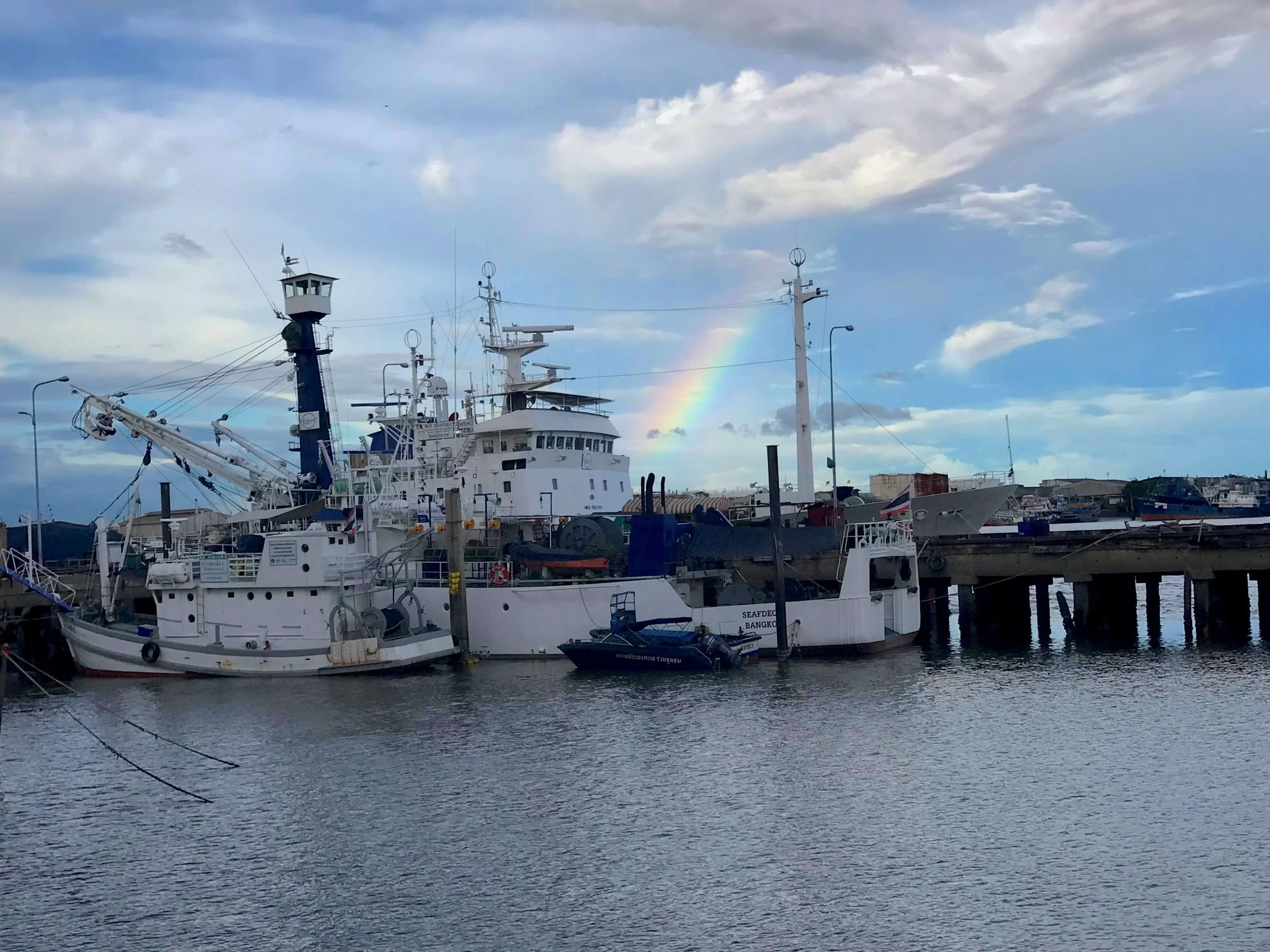
Objective: By 2030, all Sea Pact members will collaborate to drive continuous improvement and address environmental sustainability in priority wild fisheries.
Goals:
All members understand and achieve supply chain traceability for priority fishery sectors.
Publish annual aggregated Key Data Elements (KDEs) for key priority species groups (e.g., species, catch method, other fishery-level data elements) including fresh or frozen tuna, snapper/grouper, and mahi.
Engage supply chain stakeholders to ensure the availability of sustainable and traceable products.
All Sea Pact members publicly report on individual sustainability efforts per Sea Pact’s Code of Conduct.
Strategies:
Coordinate sourcing data collection and other initiatives through the Traceability Working Group.
Deploy an accessible framework for collecting and sharing source fishery KDEs.
Share best practice language for procurement policies and vendor contracts with regard to traceability.
Provide education and communication plans for members’ internal and external stakeholders.
Provide resources for members to assess risks based on KDEs and to create collective action improvement plans.
-
Objective: By 2030, Sea Pact members will share internal social responsibility plans and develop resources to identify and address social risks in supply chains.
Goals:
Track and report internal social responsibility activities.
Equip members with tools to address social risks and prioritize high-risk areas.
Strategies:
Establish best practice contract language and codes of conduct expectations to use with vendors
Establish best practices for responding to and remediating social issues if they arise.
Explore methods for assessing social risk including social risk evaluation tools.
Create a toolbox of recommended actions for high-risk sources.
Conduct annual member surveys on social and labor practices to highlight good practices as well as potential opportunities.
-
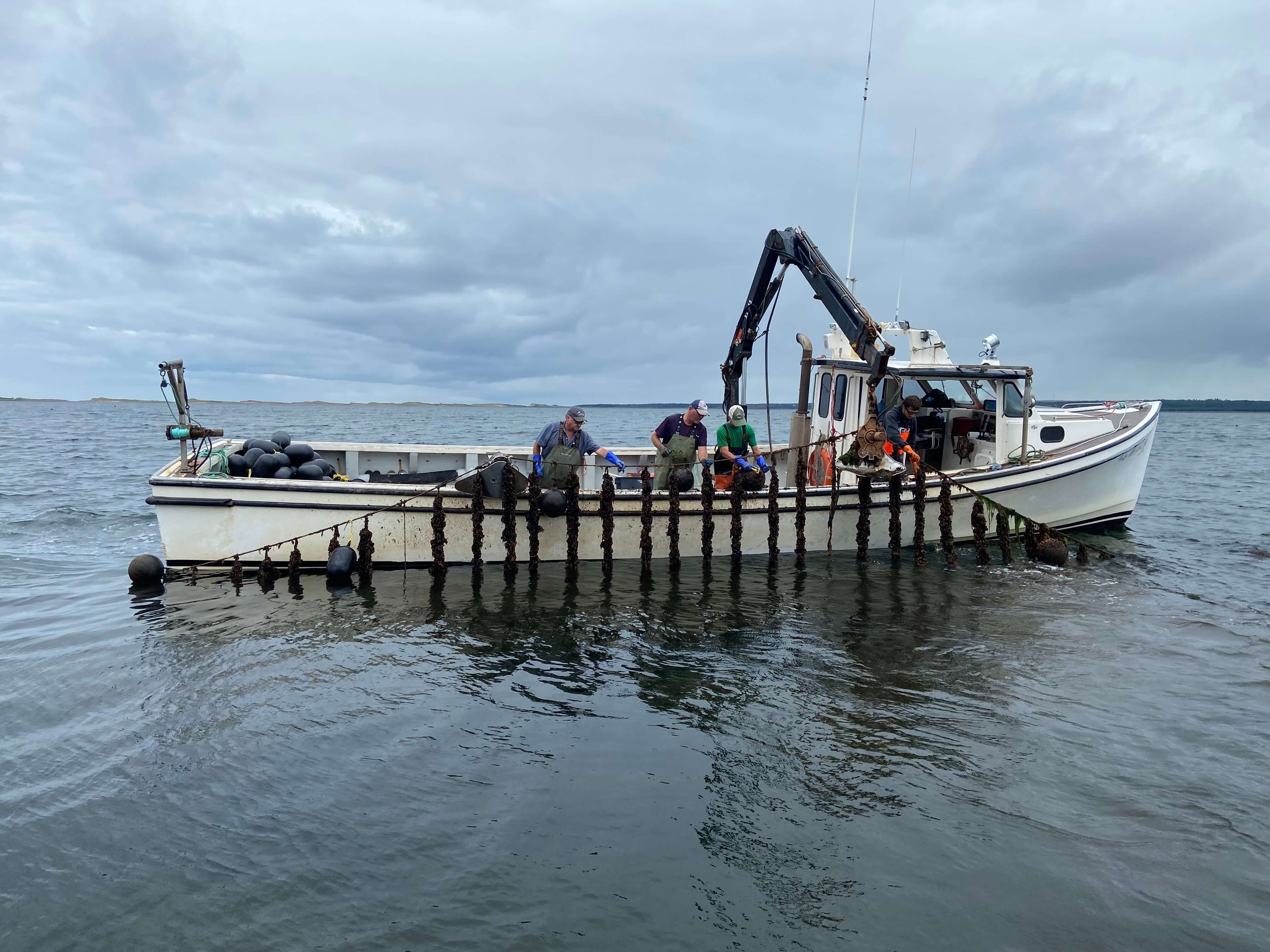
Objective: By 2030, Sea Pact members will be tracking purchases of responsibly farmed and North American farmed seafood and will have established targets to increase both. Sea Pact members will be recognized as advocates for responsible aquaculture.
Goals:
Track purchases of responsibly farmed seafood and North American aquaculture products.
Provide training and communication resources for aquaculture sustainability.
Strengthen engagement with North American aquaculture stakeholders.
Strategies:
Publish a shared definition of responsibly farmed seafood.
Expand Sea Pact’s network with North American aquaculture stakeholders.
Share best practices among members for tracking responsibly farmed seafood.
Provide an education and training resource library for members to use with employees and other stakeholders.
Provide a platform for key aquaculture issues to be raised and discussed among members.